Teleporter
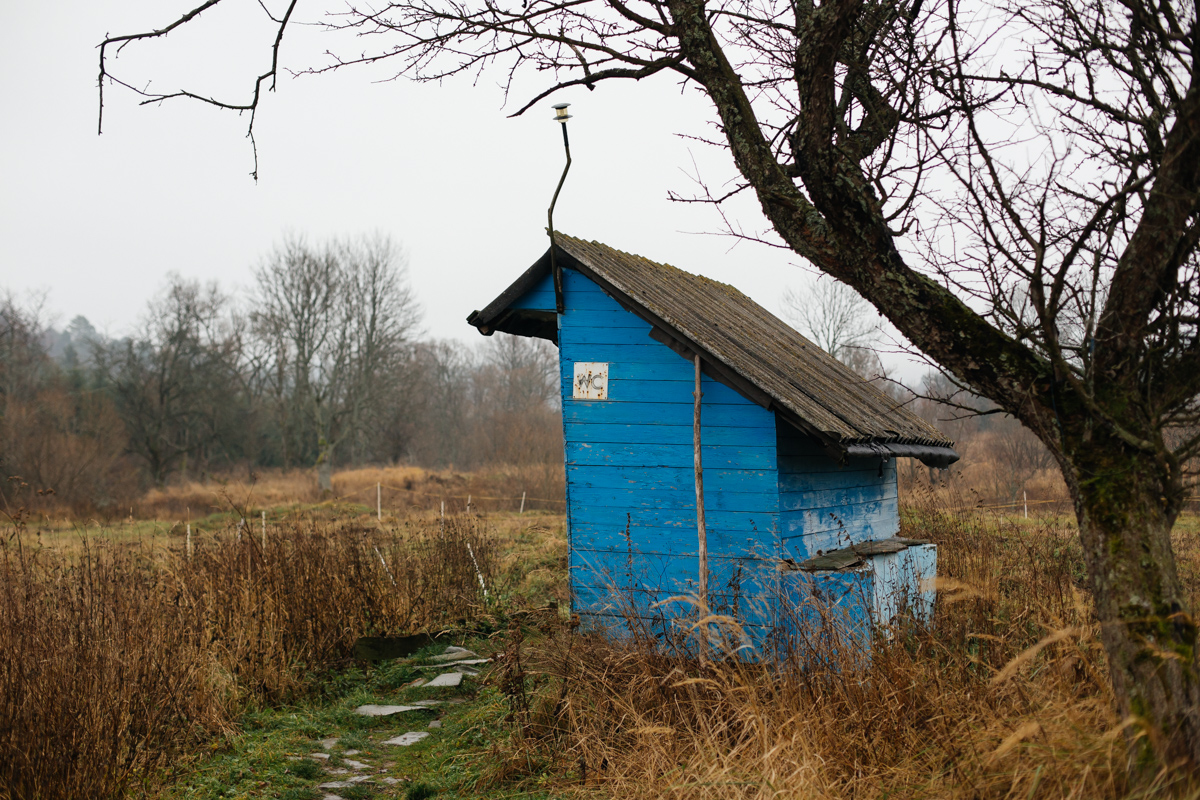
At first, there was an ordinary outhouse.
A simple three-door structure standing in the Bieszczady landscape — functional, provisional, devoid of aesthetic ambition. A utilitarian object so obvious it barely invited attention.
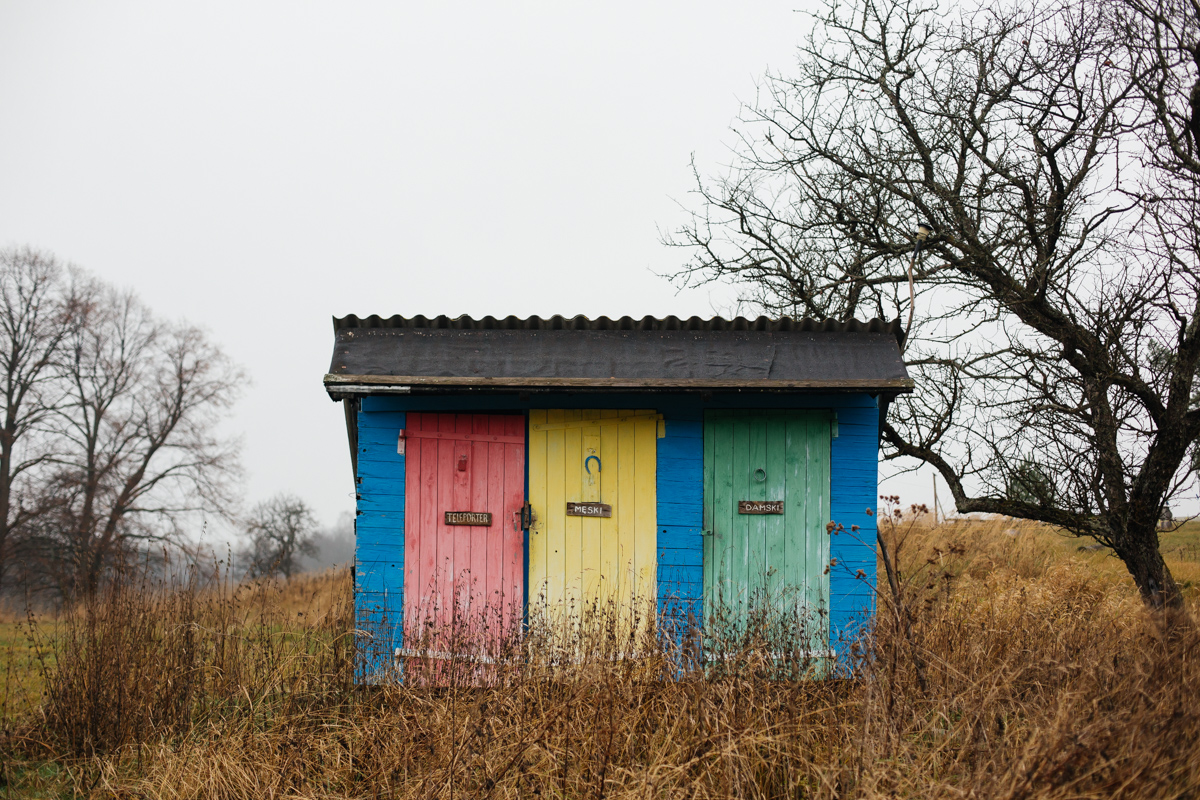
At some point, someone appeared and decided to improve it.
Not to demolish it. Not to replace it. To alter it.
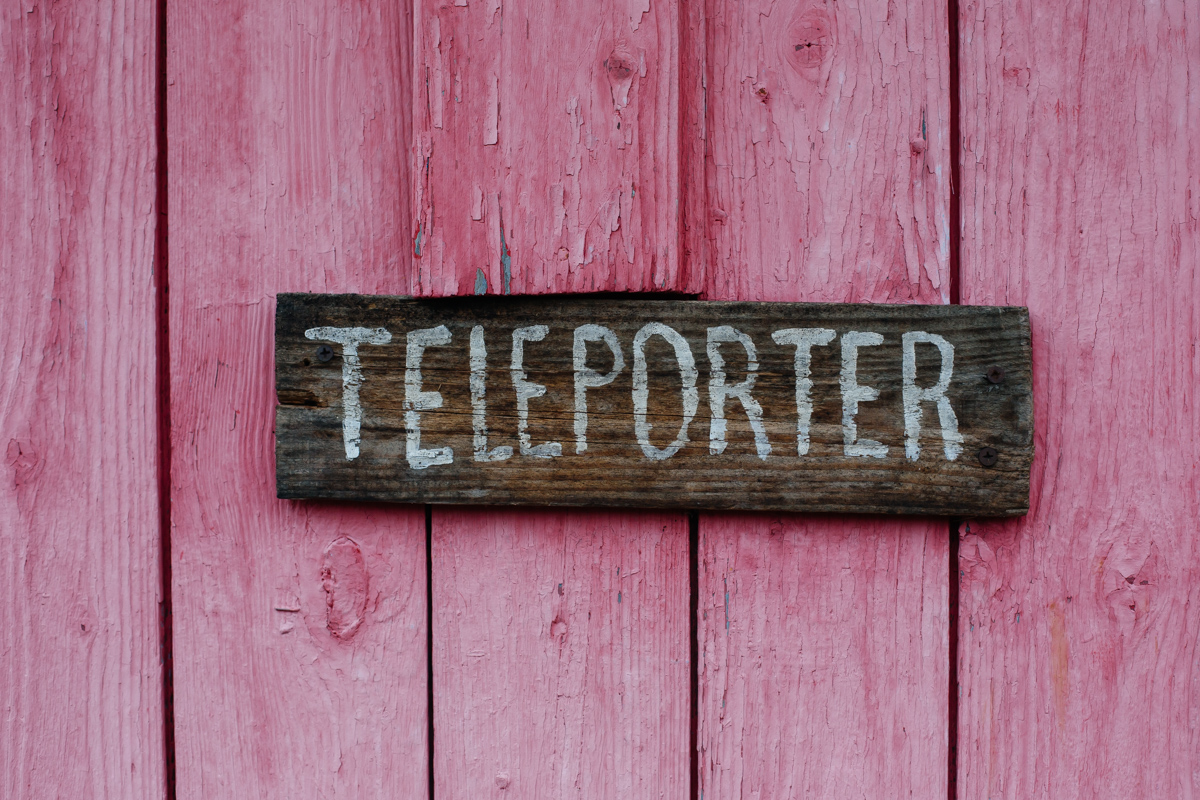
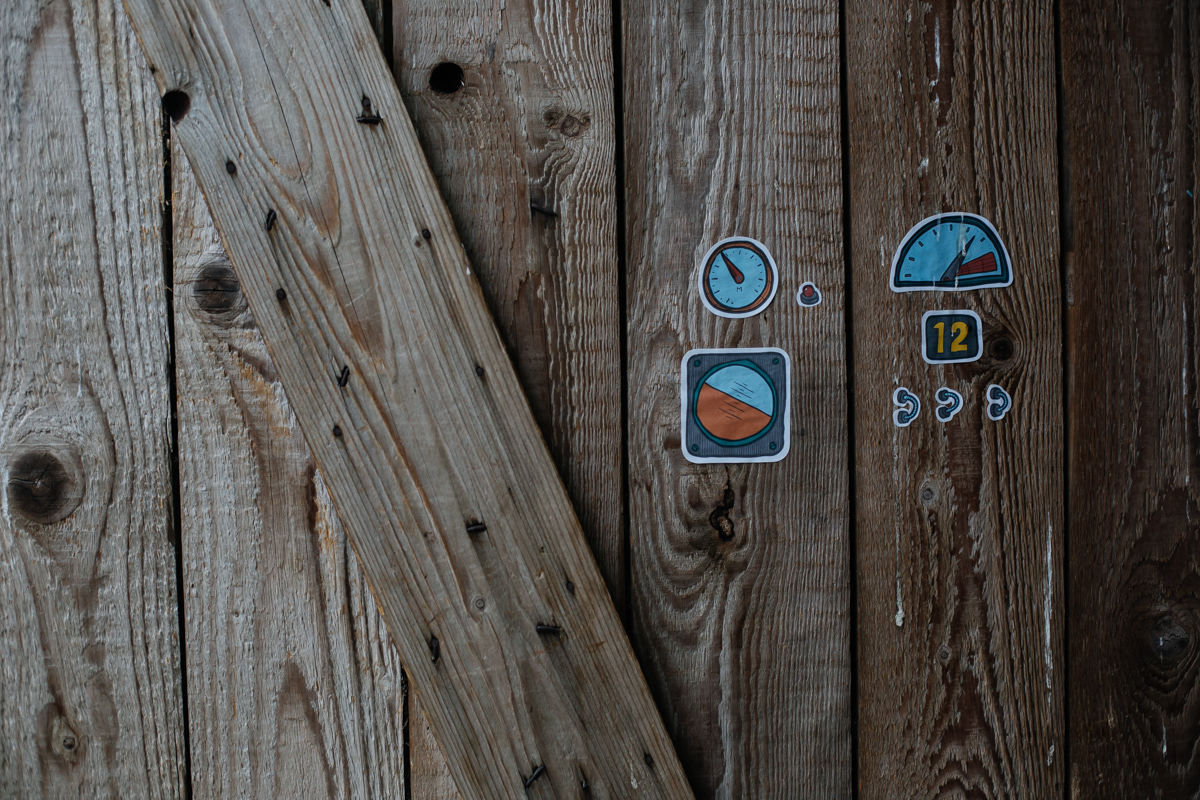
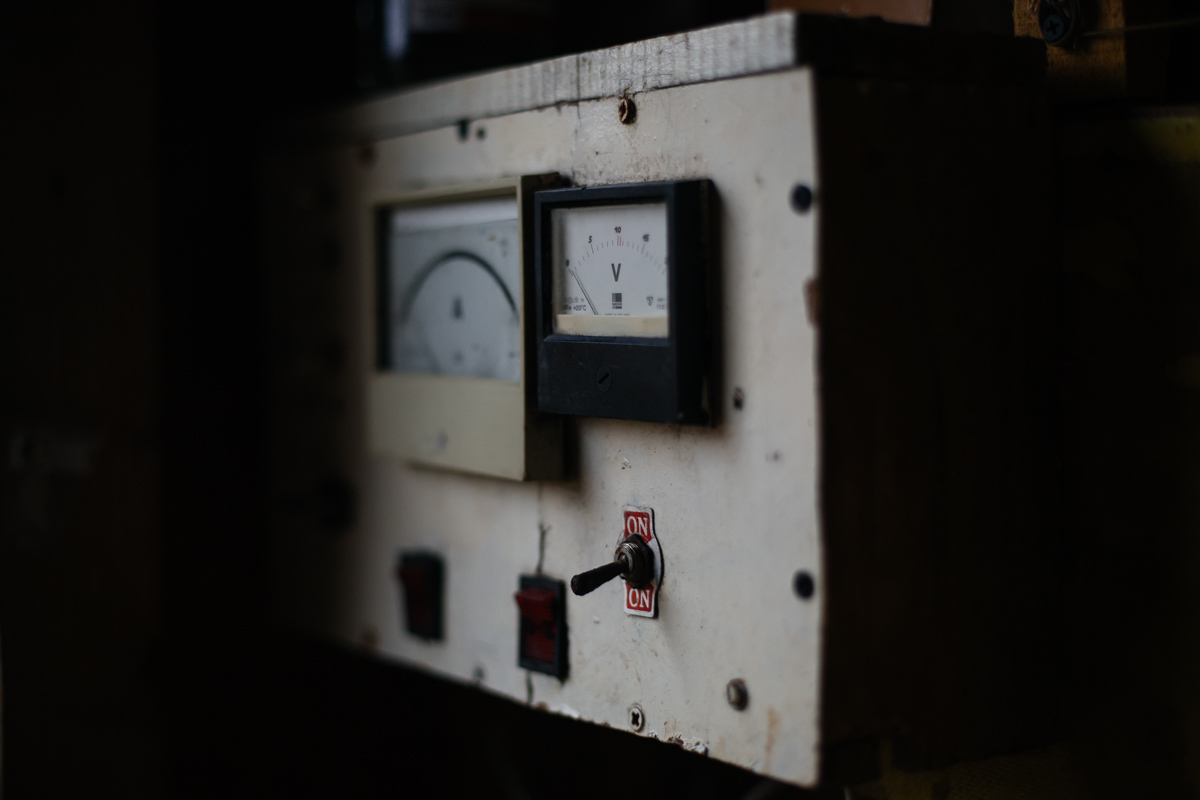
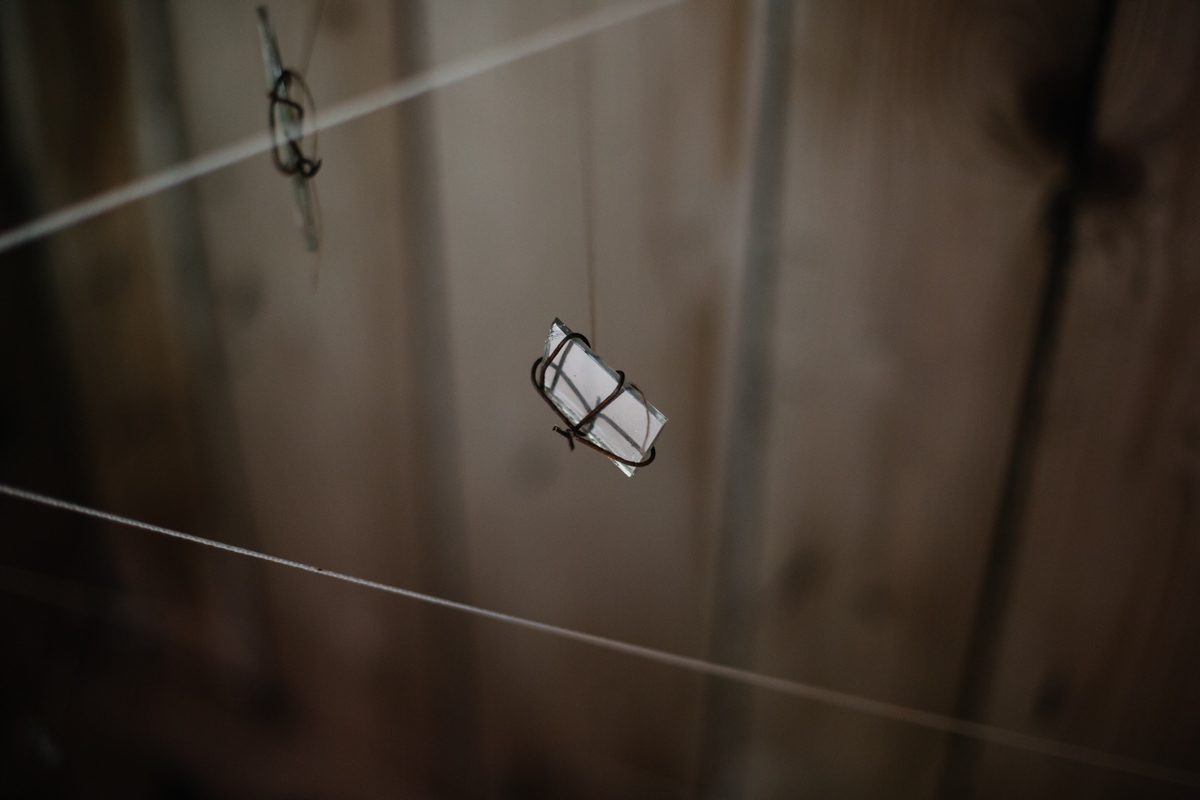
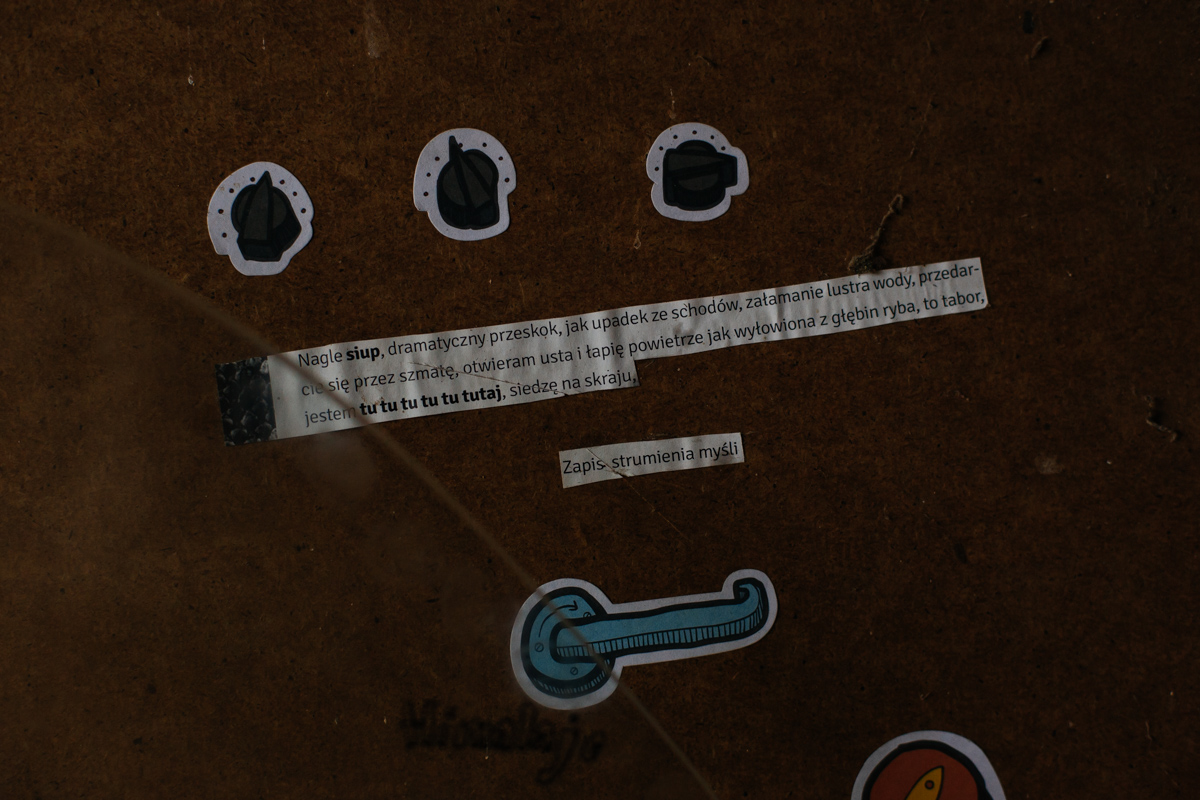
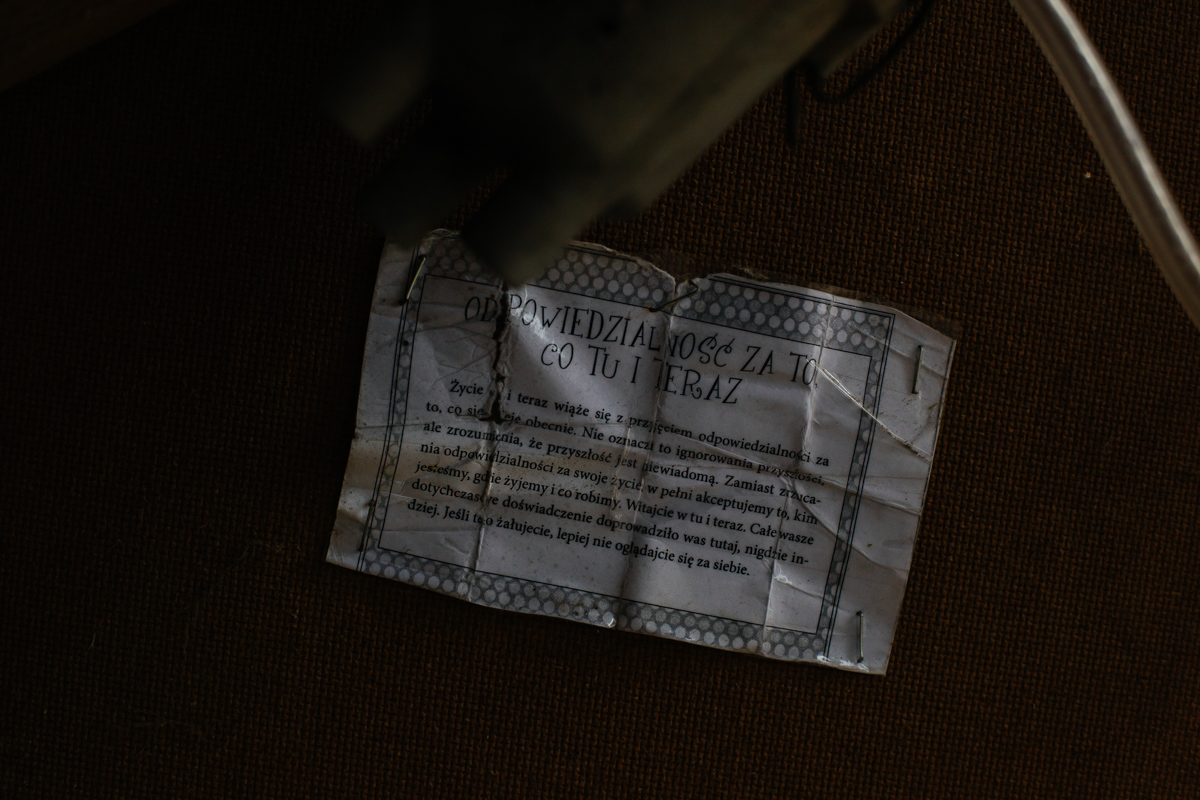
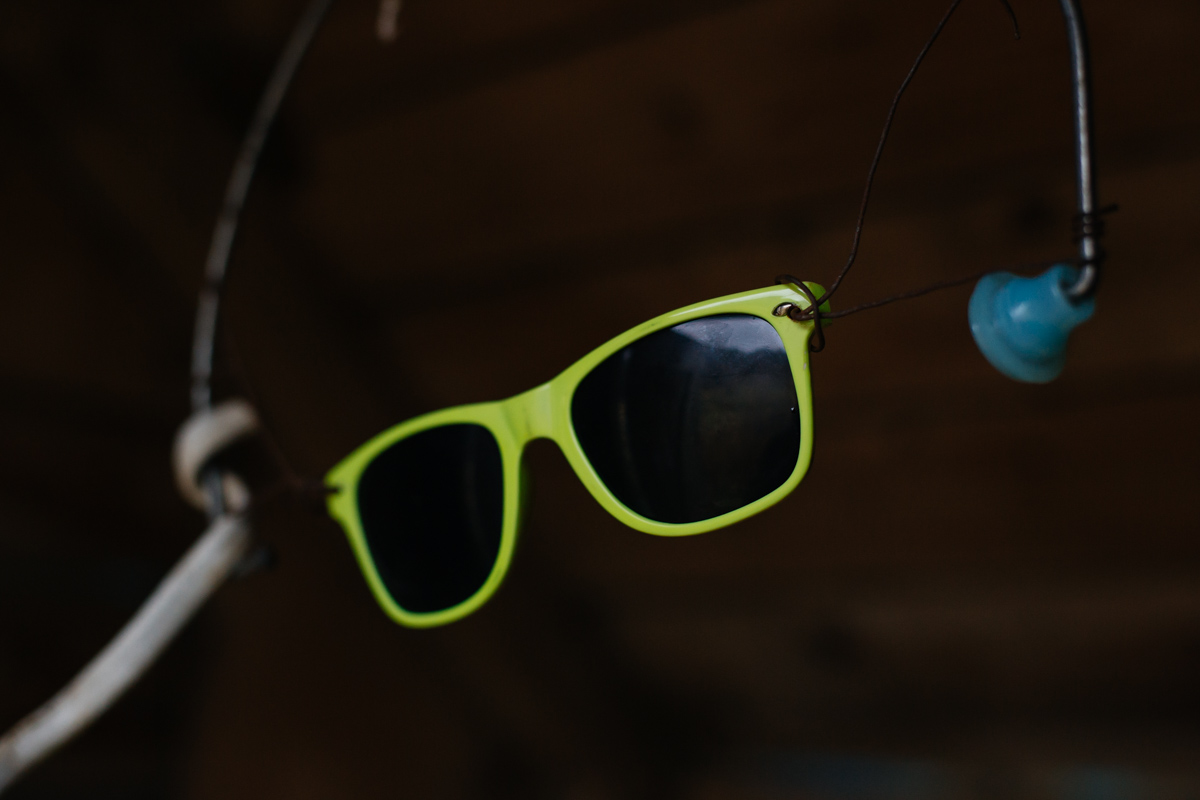
Color, detail, subtle intervention — none of these fundamentally changed its function. What changed was the experience of using it. An intimate, banal act became framed like a stage set. The interior began to operate as a separate space — almost like a cabin to another dimension.
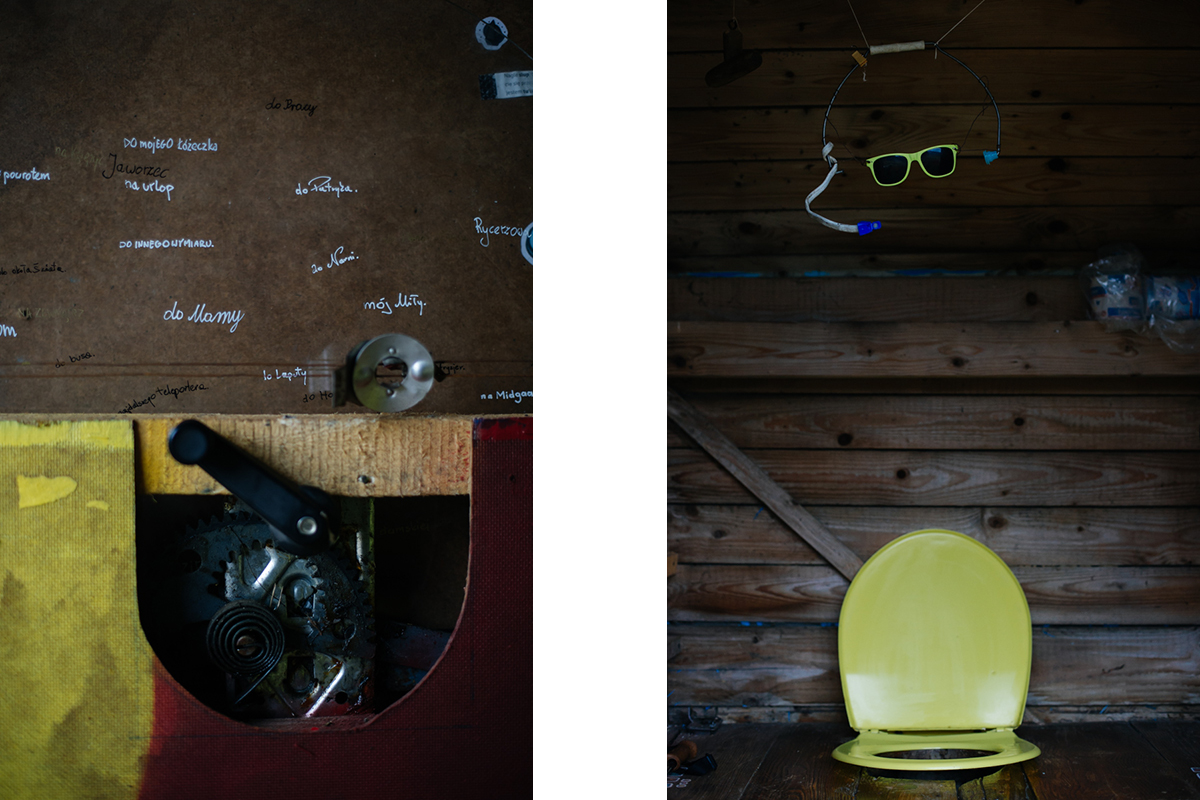
Hence the title: Teleporter.
Not a technological device, but a perceptual shift. The moment when a purely functional object ceases to be just a tool and becomes an apparatus for altering one’s state — psychological, aesthetic, imaginative.
This photographic series attempts to capture that transformation.
I am interested not only in the object itself, but in the absent author of this change. Who was he? What compelled him to intervene? Was it humor, a need to aestheticize the everyday, or a quiet act of resistance against the austerity of the surroundings?
Yet within the reportage, it is the outhouse that becomes the protagonist.
It stands in the landscape like a sign — suspended between utility and fantasy, between improvisation and conscious composition.
Teleporter is a site-specific work: its meaning emerges from its relationship to a particular place. Without the Bieszczady landscape — without its isolation and spatial vastness — the piece would not operate in the same way.
It is a story about how a minimal gesture can transform the experience of the most ordinary things.